Low Ash Coconut Charcoal for Hookah Benefits and Performance
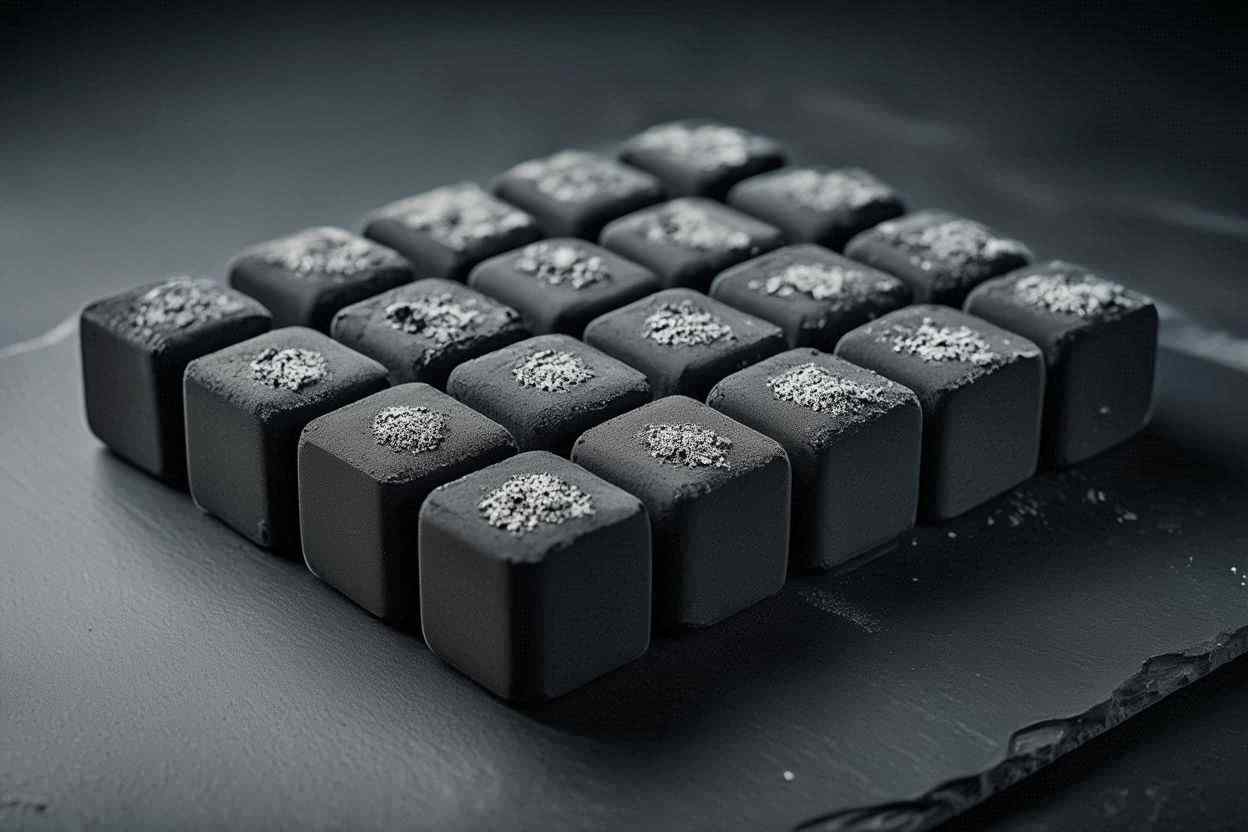
Low ash coconut charcoal for hookah has become the preferred choice for both casual users and professional hookah lounges. As users demand cleaner sessions and better heat control, charcoal quality plays a major role in overall performance.
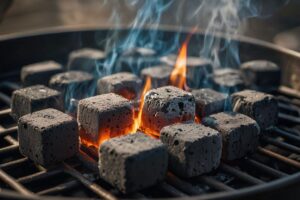
Coconut shell charcoal is known for its high carbon content and low ash residue, making it ideal for hookah use. Compared to traditional charcoal, it produces less smoke, maintains stable heat, and preserves the natural flavor of shisha.
To understand more about its advantages, you can visit low ash hookah charcoal benefits and explore further information at jacoid.com.
Why Low Ash Coconut Charcoal Matters
First of all, ash content directly affects the quality of a hookah session. Charcoal with high ash levels creates residue that can block airflow and disrupt heat distribution.
Low ash charcoal, typically below 2–3 percent, allows for cleaner burning and better airflow throughout the session.
As a result, users experience smoother smoke, more stable temperature, and less frequent need for cleaning or charcoal replacement.
- Cleaner hookah setup
- Better airflow during use
- Reduced maintenance
- Improved session consistency
Key Benefits of Low Ash Coconut Charcoal
Low ash coconut charcoal provides several advantages that improve both performance and user experience.
1. Cleaner Burning Performance
Charcoal with low ash content produces minimal residue during combustion. This keeps the hookah bowl cleaner and prevents clogging of airflow systems.
Less ash buildup also reduces interruptions, allowing users to enjoy longer sessions without constant adjustments.
2. Stable Heat Output
Low ash charcoal maintains consistent heat because there is less insulation from ash layers. This helps distribute heat evenly across the tobacco.
Stable temperature control improves flavor quality and prevents overheating or harsh smoke during use.
3. Longer Burning Duration
High-quality coconut charcoal contains high fixed carbon, allowing it to burn longer compared to standard charcoal.
This results in extended sessions with fewer charcoal replacements, making it more efficient for both personal and commercial use.
4. Better Flavor Preservation
Low ash charcoal produces neutral smoke without interfering with the flavor of shisha tobacco. This allows users to experience the intended taste more clearly.
Natural coconut charcoal is also odorless and free from chemical additives, supporting a cleaner smoking experience.
Factors That Affect Ash Content
Several factors influence the ash level in coconut charcoal. Understanding these factors helps businesses and users choose better products. Raw material quality is the most important factor. Pure coconut shells produce less ash compared to mixed or contaminated materials.
The carbonization process also plays a critical role. Proper temperature control during production ensures that unwanted residues are minimized.
In addition, the type of binder used affects ash output. Natural binders such as tapioca produce less ash compared to synthetic additives.
Applications in Hookah Use
Low ash coconut charcoal is widely used in hookah lounges, cafes, and personal setups. Its performance directly impacts customer satisfaction and session quality.
In commercial environments, consistent heat and minimal maintenance are essential. Low ash charcoal supports efficient operations by reducing cleaning time and improving user experience.
For personal users, it provides convenience and better session control, especially for longer smoking sessions.
Conclusion
Low ash coconut charcoal for hookah offers clear advantages in terms of clean burning, stable heat, and longer performance. With proper material selection and production quality, it delivers a more efficient and enjoyable hookah experience.
By choosing high-quality low ash charcoal, users and businesses can achieve better results, maintain consistency, and improve overall satisfaction.




Post Comment