Coconut Charcoal vs Wood Charcoal Complete Guide
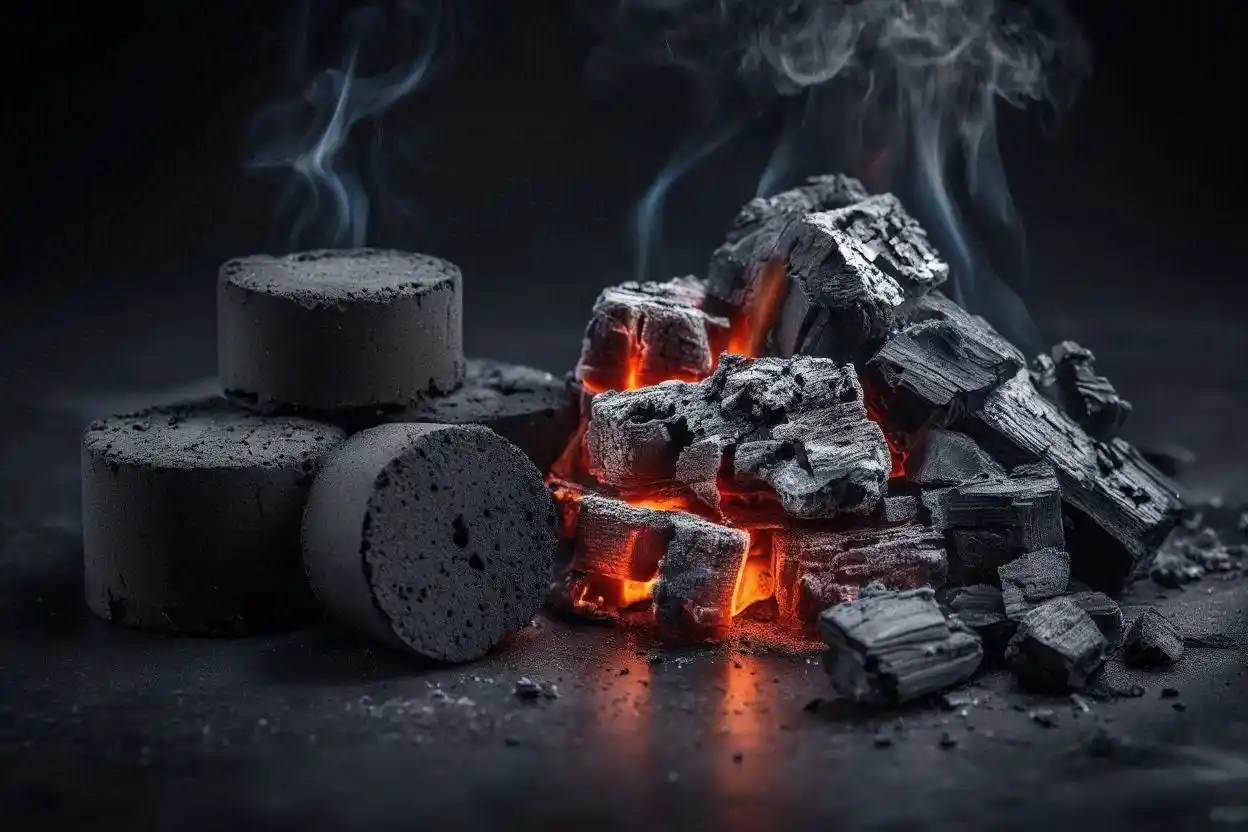
The comparison of coconut charcoal vs wood charcoal is essential for both everyday users and business owners. Each type offers different benefits in terms of performance, cost, and sustainability. Therefore, understanding these differences helps you choose the most suitable option.
Coconut vs Wood Charcoal Basics
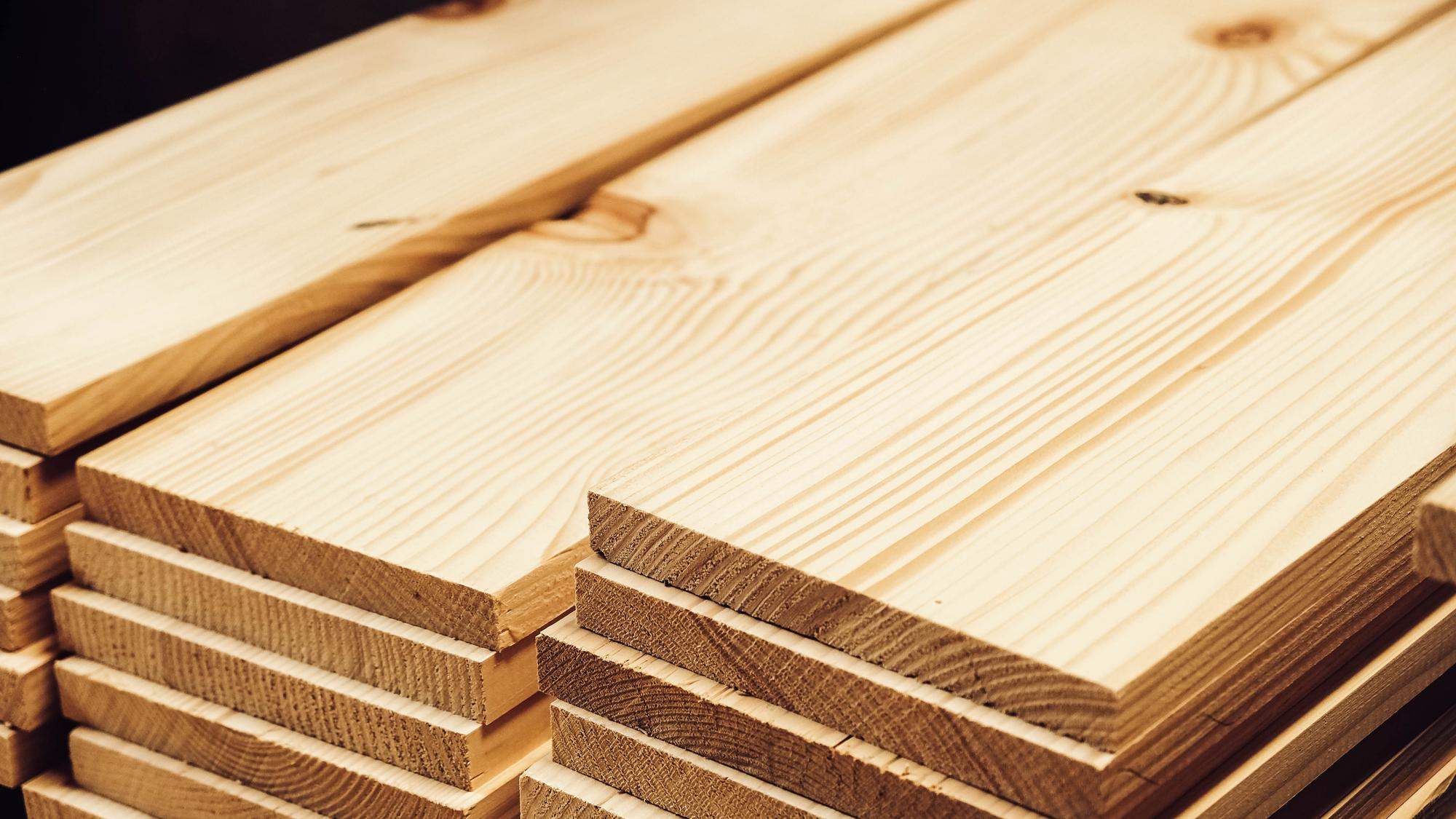
Coconut charcoal comes from coconut shells, which manufacturers process into dense and uniform briquettes. In contrast, wood charcoal is produced by burning natural wood in a controlled, low-oxygen environment.
As a result, coconut-based charcoal tends to be more sustainable. Meanwhile, wood charcoal depends heavily on timber resources, which may raise environmental concerns depending on sourcing practices.
Coconut vs Wood Charcoal Heat Performance
Heat stability becomes a major factor when comparing these two materials. Coconut charcoal burns longer and maintains consistent heat output throughout use.
On the other hand, wood charcoal ignites faster but burns less evenly. Because of this, many users prefer coconut charcoal for applications that require stable and controlled heat.
Key performance differences include:
- Longer burn duration with coconut charcoal
- Faster ignition with wood charcoal
- More stable heat from coconut charcoal
- Fluctuating temperature in wood charcoal
Coconut vs Wood Charcoal Ash Differences
Ash production also affects overall efficiency. Coconut charcoal produces significantly less ash, making cleanup easier and faster.
In addition, coconut-based fuel releases minimal smoke and odor. Wood charcoal, however, often generates more smoke, which can influence both flavor and air quality.
Because of this, coconut charcoal is often preferred for indoor or controlled environments.
Coconut vs Wood Charcoal Sustainability
Environmental impact continues to influence purchasing decisions. Coconut charcoal utilizes waste materials from the coconut industry, making it a more eco-friendly solution.
In contrast, wood charcoal production may contribute to deforestation if not properly managed. Therefore, businesses that prioritize sustainability often choose coconut-based products.
For a more detailed explanation, you can explore differences between coconut and wood hookah charcoal to better understand specific performance aspects.
Cost and Business Efficiency
From a business perspective, efficiency plays a crucial role. Coconut charcoal may require a higher initial investment, but its longer burn time reduces overall usage.
Meanwhile, wood charcoal is usually more affordable upfront. However, frequent replacement can increase long-term costs.
For additional insights and industry-related content, you can visit indobriquettescharcoal as a useful reference source.
Application and Practical Uses
Different use cases highlight the strengths of each type. Coconut charcoal works best for:
- Hookah or shisha sessions
- Long-duration grilling
- Indoor environments with minimal smoke
In contrast, wood charcoal is suitable for:
- Quick outdoor cooking
- Traditional grilling methods
- Situations requiring fast ignition
In addition, many hospitality businesses prefer coconut charcoal because it provides consistent results. This consistency helps maintain customer satisfaction and reduces operational variability.
Conclusion
In conclusion, the comparison of coconut charcoal vs wood charcoal highlights clear differences in heat performance, cleanliness, and sustainability. Coconut charcoal stands out for its efficiency, longer burn time, and eco-friendly nature.
Meanwhile, wood charcoal remains useful for quick and traditional applications, especially when fast ignition is required. By understanding these characteristics, users and businesses can make more strategic and effective decisions based on their intended use and long-term goals.










Post Comment