Activated Charcoal for Air Purification Systems
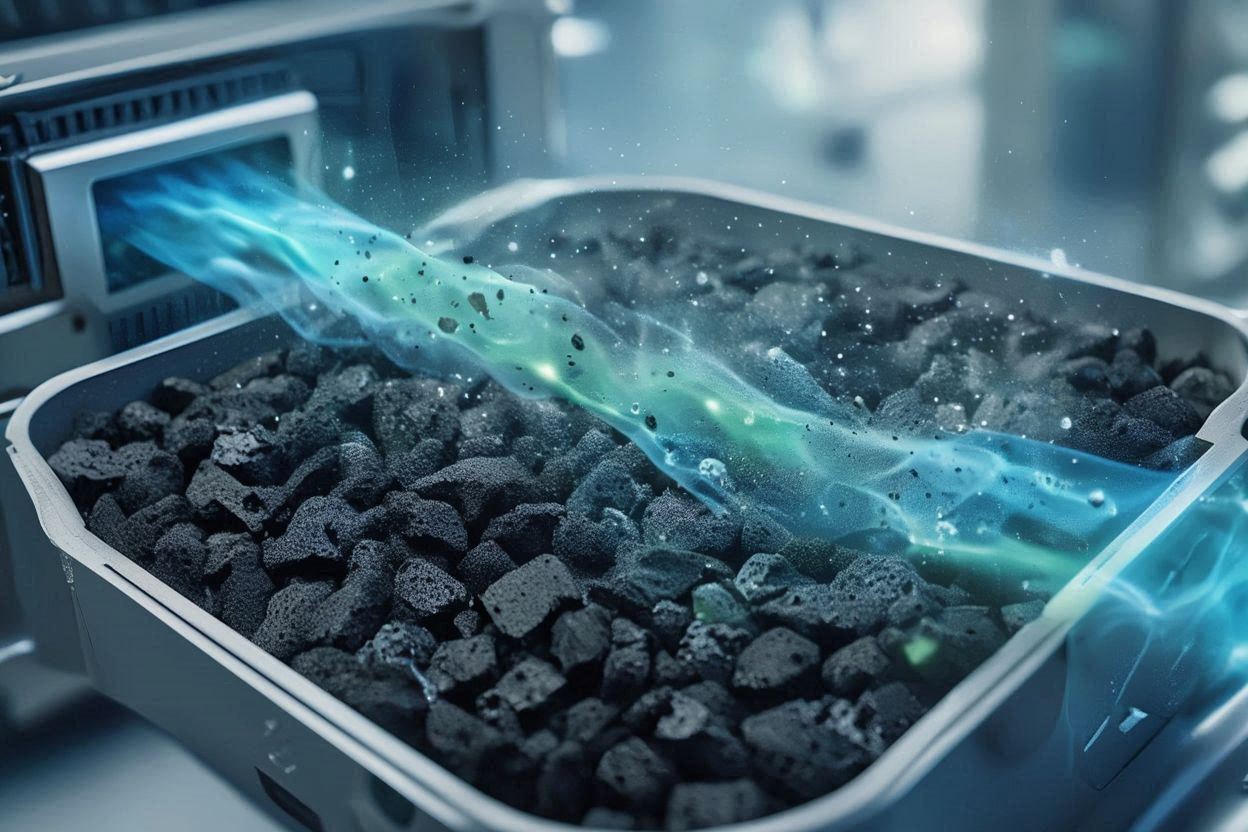
Activated charcoal for air purification systems is widely used as an effective solution for improving indoor and industrial air quality. As concerns about air pollution, chemical emissions, and unpleasant odors continue to increase, many industries and households rely on activated charcoal to create cleaner and healthier environments.
Activated charcoal is produced through controlled activation processes that create a highly porous structure. Because of this structure, the material can trap airborne contaminants efficiently. As a result, air purification systems that use activated charcoal deliver consistent and reliable performance across various applications.
How Activated Charcoal Works in Air Purification Systems
Activated charcoal functions through adsorption rather than absorption. In this process, airborne particles and gases attach to the extensive surface area of the charcoal. Therefore, harmful compounds remain trapped inside the pores instead of circulating in the air.
Moreover, this adsorption process allows air purification systems to remove odors, volatile organic compounds, and chemical fumes effectively. Consequently, activated charcoal becomes a critical component in ventilation and filtration systems.
Advantages of Coconut-Based Activated Charcoal
Coconut shell–based activated charcoal offers higher microporosity compared to many other carbon sources. As a result, it provides superior adsorption capacity for air purification purposes.
In addition, coconut shells are renewable agricultural byproducts. Therefore, using coconut-based activated charcoal supports sustainable production practices while delivering high filtration performance.
Applications in Residential and Commercial Air Systems
In residential environments, activated charcoal for air purification systems helps reduce cooking odors, smoke, and indoor pollutants. Consequently, homeowners benefit from improved indoor air quality and greater comfort.
Meanwhile, commercial buildings such as offices, hotels, and shopping centers use activated charcoal filters to manage air circulation efficiently. As a result, these spaces maintain cleaner air and comply with indoor air quality standards.
Industrial Air Filtration and Emission Control
Activated charcoal also plays an essential role in industrial air purification systems. Many manufacturing facilities use charcoal filters to capture chemical vapors and industrial emissions before releasing air into the environment.
Furthermore, activated charcoal helps protect workers by reducing exposure to hazardous airborne substances. Therefore, it supports both regulatory compliance and workplace safety.
Production Standards and Quality Control
Producers manufacture activated charcoal under controlled conditions to ensure consistent pore structure and adsorption efficiency. As a result, air purification systems receive charcoal that meets specific technical requirements.
Additionally, quality control processes include testing for moisture content, surface area, and particle size. Consequently, buyers can rely on stable and predictable filtration performance.
Choosing the Right Supplier for Air Purification Charcoal
Selecting a trusted supplier is essential for achieving optimal air purification results. Buyers should consider production experience, quality assurance systems, and industry specialization.
For more details about coconut-based solutions, visit coconut shell charcoal for air purification to explore product specifications and application insights.
Verified Product Information and Resources
Access to official product information helps buyers understand supply capabilities and processing standards. Comprehensive details about activated charcoal products and services are available at basebisnis.com, providing insights into quality control and sustainable production.
Conclusion
Activated charcoal for air purification systems offers an effective, sustainable, and reliable solution for improving air quality in residential, commercial, and industrial environments. Through strong adsorption performance, renewable sourcing, and consistent quality, activated charcoal continues to support modern air purification technologies worldwide.









Post Comment